
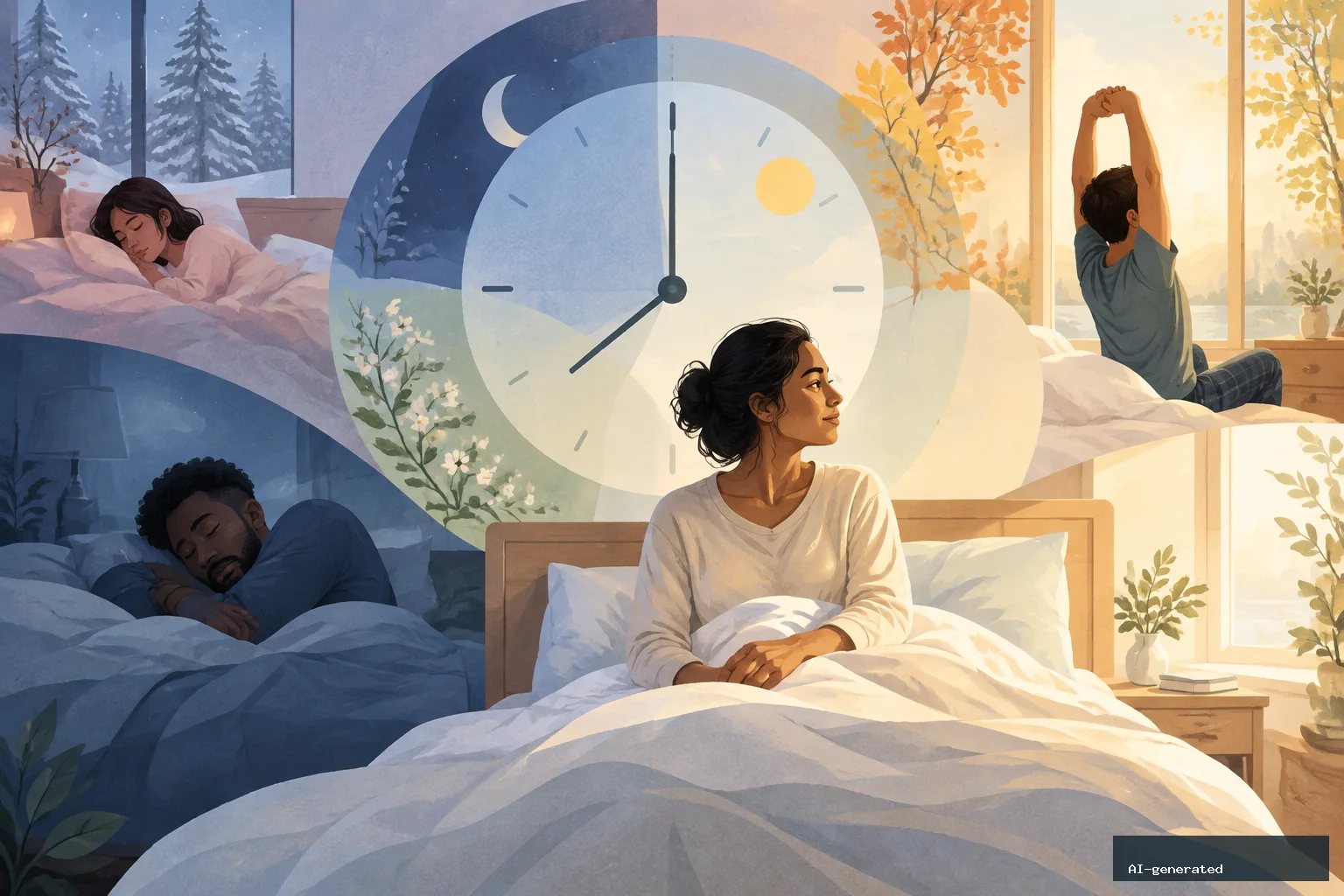
Australian researchers have identified a proposed subtype of depression associated with disruptions to the body’s internal clock. They call it circadian depression.
The findings come from a study published in the British Journal of Psychiatry, which analysed clinical and genetic data from 11,380 Australians. Most participants had severe and recurrent depression. The researchers identified the proposed subtype in 23% of the group.
The study is exploratory, and the subtype has not been established as a definitive clinical diagnosis. Its findings also need to be replicated in more diverse populations.
What the proposed subtype includes
Researchers defined circadian depression as having at least three of six features:
- a seasonal pattern of illness;
- delayed sleep timing;
- sleeping longer during depression;
- identifying as a night owl;
- waking feeling very tired; and
- social jetlag, or a mismatch between sleep timing on social and non-social days.
According to Dr Emiliana Tonini, people in this group had more severe mental health symptoms, a younger age of depression onset, more episodes and more complex illness trajectories than participants with non-circadian depression. The group also had more suicidality and more hypomanic and psychotic-like symptoms.
Possible biological differences
The researchers reported that participants with the proposed subtype had higher genetic risk for ADHD and mood disorders, along with a series of metabolic and inflammatory markers.
Tonini said these patterns suggested that circadian depression could involve biology distinct from depression accompanied by poor sleep alone. The researchers said the results strengthen the case for viewing it as a biologically valid and clinically useful phenotype.
That interpretation remains provisional. Prof Andrew Coogan of Maynooth University said major depression had long been associated with body-clock changes, including later bedtimes and wake times. He described the new results as not overly surprising and said the study provided limited detail about how the feature cluster and subtype criteria were established.
What the study says about treatment response
Prof Ian Hickie said the proposed subtype showed a poor response to standard therapies typically recommended in clinical guidelines. The study found that selective serotonin reuptake inhibitors, or SSRIs, and serotonin-norepinephrine reuptake inhibitors, or SNRIs, were less effective and associated with more side effects for people in the circadian group.
The researchers suggested that treatments aimed at circadian rhythms, such as melatonin and light therapy, may be relevant areas for further study. Hickie also pointed to morning light exposure, daytime activity, regular sleep-wake cycles and regular food schedules as examples of chronobiological approaches.
These suggestions are research implications, not evidence that a particular approach will work for every person. The researchers said that identifying the subtype in future could support more tailored treatment, especially for young people seeking mental health support for the first time.
Why the findings need further testing
The study included only participants of genetically inferred European ancestry, which may limit how broadly the results apply. The researchers said future work should replicate the findings in diverse samples.
Prof Jayashri Kulkarni of the Monash Alfred Psychiatry Research Centre, who was not involved in the research, described the study as well conducted and said its genetic findings could be important for future treatment. She also noted that it did not account for the hormonal impacts of menopause, which she identified as a cause of sleep disturbance reported by women and a factor worth considering.
Coogan said the exploratory results should be treated as initial findings that warrant further examination. That caution is central to interpreting the study: it identifies a potentially useful pattern within depression, but does not yet establish a universally accepted subtype or a proven treatment pathway.
AI tools were used to assist with the preparation of this article under our editorial standards.
Leave a Reply