
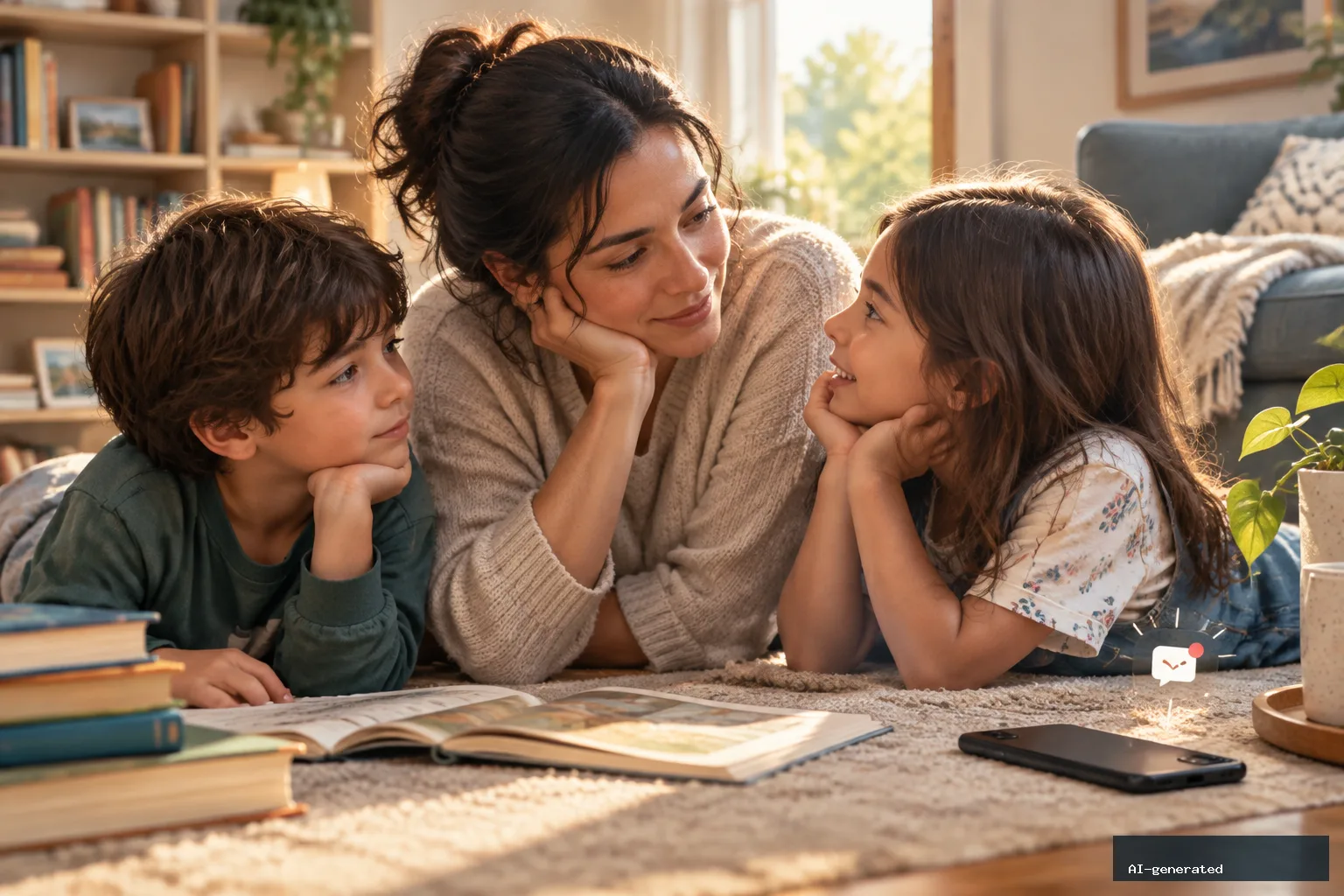
A series of readers say stepping away from Instagram has changed how they spend time, connect with others and use their phones. Their accounts range from a complete break from social media to a private account used only for brief, intentional browsing.
The letters respond to Georgina McNamara’s 19 October article, “The one change that worked: I deleted Instagram – and embraced the joys of a truly private life.” They describe personal experiences rather than independently verified evidence about how social media affects mental health or family life.
Parents notice the effect on attention
Emma Roberts says she deleted Instagram and every other social media app from her personal phone after going on maternity leave with her second baby. She works in marketing, but says the decision followed a moment involving her eldest daughter, who imitated her by holding two phones, one at each ear.
Roberts says that without social media she can concentrate enough to read beyond headlines, arrange face-to-face meetups and spend less time watching other people parent or live their lives. She now uses one messaging app and email, and says she is happier as a result.
She also says the change has affected family life. Her children no longer have to repeat themselves to get her attention, and her eldest daughter now imitates her reading books rather than holding phones. Roberts says she is taking fewer photographs because she wants to experience events instead of creating images that remain stored in the cloud.
Warwick Mihaly says he and his wife deleted Instagram and all other social media from their phones in April this year. They had already stopped posting much because they were uncomfortable with Meta and other social media companies owning photographs, particularly images of their children.
The couple initially planned to stay away for a month, but continued through May and June. Mihaly says they now read more, have resumed playing Wordle, watch television with their children, go to bed earlier and call friends to hear what they have been doing. His wife sometimes misses design or cooking ideas from social media, he says, but regards that as a small trade-off.
Less comparison, but some missed connections
Madison Heckel deleted Instagram from her phone in July to reduce her screen time, then downloaded it again to post a story while travelling in Japan and Korea. After two weeks, she says she disliked seeing people doing things together without her and worried that they found her annoying or irritating.
Heckel also says Instagram affected her wedding planning. She disliked seeing weddings presented as highly elaborate occasions designed to become aesthetic posts. After deleting the app again, she says she is happier, although she misses memes and sending photographs to friends during the day.
Zainab Chasb describes a different approach. A planned three-day break became six months away from Instagram. She has since returned with a private account, does not post stories or updates, and says she uses the platform only for intentional, time-limited browsing. Previously, she feared that missing a day of posting would cause her approximately 200 followers to drift away.
A wider argument about private life
Other letters focus less on parenting and more on the culture created by constant sharing. Helen Clutton says a generation may have to learn that people do not necessarily want to see others’ holiday photographs, children or breakfasts. She hopes young people discover the value of an anonymous life.
Gordon Smart says deleting Instagram and all other social media felt liberating, even though he considered himself a light user. He prefers using his phone less and reading a book rather than scrolling.
Smart believes platforms are designed to encourage repeated checks for likes and describes the appeal as a potential fleeting “dopamine hit”. He says using his phone less is better for his mental health. That is his interpretation of his experience and of platform design, not a finding established by the letters.
Together, the accounts show several ways people are renegotiating their relationship with social media: leaving completely, removing apps from a phone, using a private account or keeping access but setting narrower boundaries. They also show that the trade-offs are personal. Readers mention missing memes, ideas, photographs and daily contact, even when they feel their offline routines have improved.
Key takeaways
- Emma Roberts says deleting social media helped her give more attention to her children and spend more time reading and meeting friends in person.
- Warwick Mihaly says leaving Instagram helped him and his wife read more, spend time with their children, go to bed earlier and protect family photographs from social-media ownership concerns.
- Madison Heckel says returning to Instagram brought unwanted comparison and affected her wedding planning, prompting her to delete it again.
- Zainab Chasb returned to Instagram with a private account and uses it only for intentional, time-limited browsing after a six-month break.
What this means
These letters offer examples of how people are changing their social-media habits and what they feel they gain or miss. They do not establish that deleting Instagram will have the same effects for everyone, but they highlight practical questions about attention, privacy, comparison, family time and how deliberately people want to use their phones.
What the evidence cannot tell us
- The accounts are personal letters and experiences, not independently verified research findings.
- Claims about social media’s effects on mental health, platform design and dopamine are presented as the writers’ views or experiences.
- The fact sheet does not provide the year for several dates, including 19 October, April and July.
- The source does not specify which messaging app Emma Roberts uses or the exact dates of several deletions.
AI tools were used to assist with the preparation of this article under our editorial standards.
Leave a Reply