
For some people, leaving Instagram has meant reclaiming time and attention from a platform they felt had become part of everyday life. Their accounts describe less pressure to document experiences, fewer comparisons with other people’s carefully selected images and more space for offline activities.
These are personal experiences, not evidence that everyone will respond to Instagram in the same way. Some people quoted in the accounts continue to use social media because it helps them stay connected and revisit memories.
Less pressure to perform daily life
Guy Edmondson says stepping away from Instagram brought relief and a private sense of joy. Without an audience to consider, he says he no longer felt pressure to document, curate or perform his daily routines.
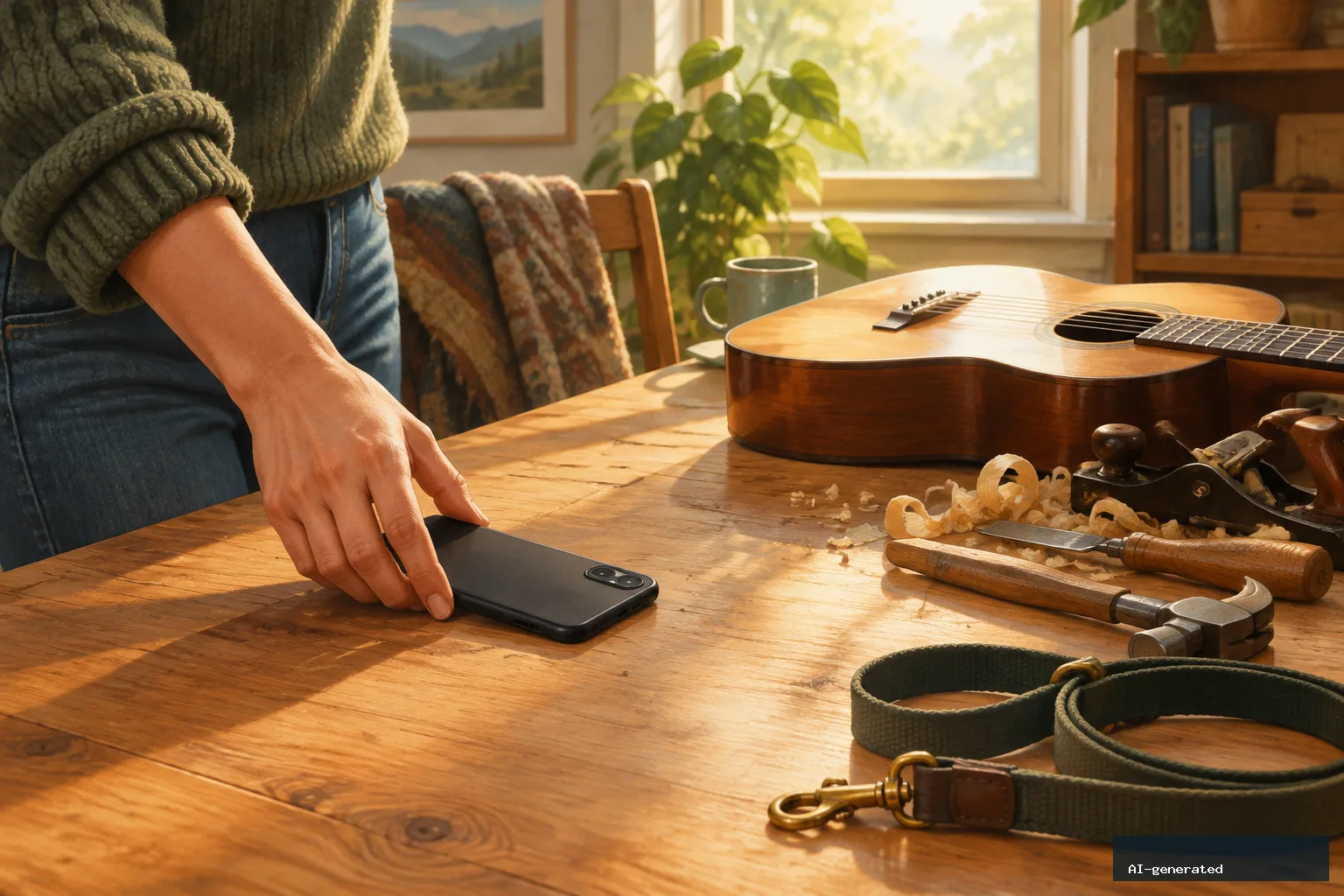
Activities such as woodworking, playing guitar and walking his spaniels felt richer when he experienced them without photographing or sharing them, he says. He also describes organising an evening at a pub in Hipperholme as a reminder that conversation and physical presence can make social connection feel more genuine than communicating through a screen.
Edmondson links his concerns about social media to Jaron Lanier’s 2018 book Ten Arguments for Deleting Your Social Media Accounts Right Now. He presents Lanier’s argument that platforms operate as behaviour-modification engines that capture attention and weaken autonomy. Edmondson also says algorithms reward outrage, tribalism and comparison to encourage engagement, and can affect moods and people’s sense of reality.
Reducing use rather than deleting an account
Laura Dobie has not deleted Instagram, but says she now checks it very infrequently. She describes feeling compelled to document experiences and becoming anxious about whether people had liked her posts.
She also says that comparing her life with other people’s curated highlights—including holiday photographs and images posted by fitness instructors—made her unhappy. To reduce her phone use, she used the One Sec app, which triggered a breathing exercise whenever she opened Instagram.
That interruption helped her notice how often she checked the app reflexively, Dobie says. She felt she could use that time for more fulfilling activities. On the occasional visits she now makes to Instagram, she says the service feels overwhelming, while her mind is quieter and she pays more attention to her surroundings.
When personalised content feels intrusive
Stefanie Withey-Jones says she deleted her account after becoming pregnant with her second child. When she later returned to Instagram, she says the algorithm showed her material about baby loss before shifting to “two under two” narratives.
She describes the contrast as stark, insensitive and awful. Withey-Jones says she did not want Instagram to hold information about her family and felt that algorithms and advertised content were influencing some parenting decisions. Since leaving Instagram, she says her experience of motherhood has been happier, simpler and more within her control.
Her account describes how automated recommendations can feel especially personal when they appear to reflect sensitive circumstances. It does not establish why particular posts were shown or how the system reached those recommendations.
Social media can also preserve connection
Not everyone represented in these accounts sees posting as the central problem. Nicky Atkinson says she uses social media to share photographs with friends and family for connection rather than validation.
She values reminders of photographs posted one, five or 10 years earlier because they can bring back associated feelings and unexpected joy. Atkinson argues that the difficulty may lie less in sharing experiences online than in allowing other people’s reactions to determine how much those experiences matter.
Different routes away from scrolling
Dr Hilary Redden says she used Instagram for six weeks before deleting her account. She describes feeling relieved to regain hours of her time. Posts were pushed into her feed, she says, and she spent hours watching material about horse sanctuaries in the US. Redden says this left her feeling depressed and resentful towards sections of society.
She describes becoming addicted quickly and says she was glad to leave. She now notices that she is often the only person on public transport who is not looking at a screen.
Cecilia Scott says she removed all social media from her phone and installed the Guardian app with a subscription to news and curated content instead. She says this stopped her “time-wasting, bottomless doomscrolling”.
A personal balance, not a single conclusion
Taken together, the accounts focus on attention, comparison, privacy and the value of unrecorded experiences. They also show that the same tools can serve different purposes: one person may experience posting as pressure, while another uses it to maintain relationships and preserve memories.
The people quoted describe what changed for them after deleting Instagram, checking it less often or changing how they used their phones. Their experiences offer context for anyone thinking about their own relationship with social media, but they do not show that reducing use will produce the same result for everyone.
AI tools were used to assist with the preparation of this article under our editorial standards.
Leave a Reply