
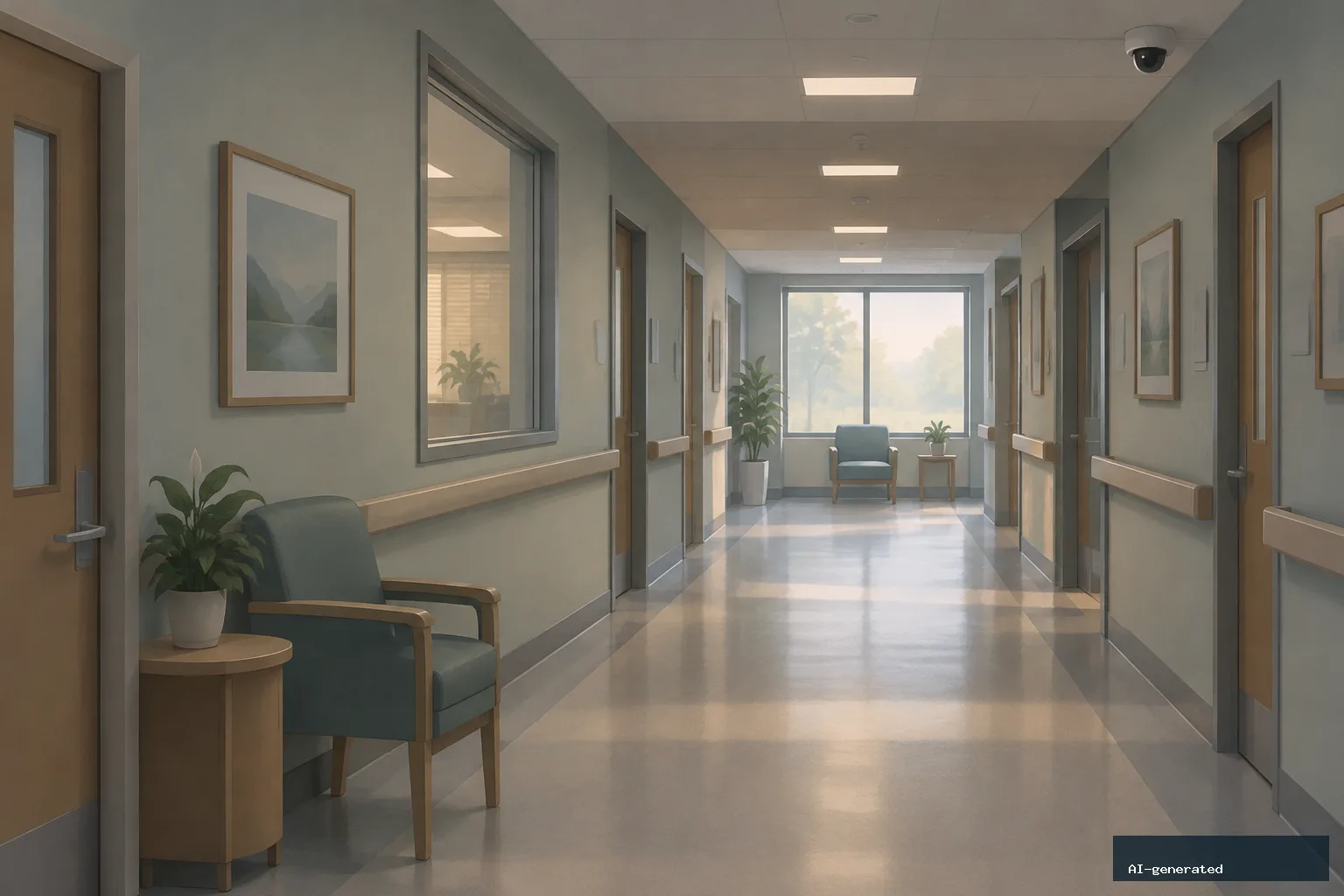
Lawyers representing bereaved families have called for Oxevision, an infrared camera monitoring system used in mental health wards, to be stopped nationally.
The request was made to the Lampard inquiry, which is examining more than 2,000 mental health deaths in Essex over a 23-year period. The inquiry began in 2024, and Lady Lampard is considering whether interim regulations are needed to help prevent further deaths.
What the inquiry heard
Peter Mant KC, who represents more than 70 bereaved families, said there was confusion among nursing staff, patients and hospital managers about how Oxevision should be used. He argued that the remote system had sometimes been treated as a substitute for in-person observations, potentially preventing vital face-to-face care and opportunities for therapeutic engagement.
The inquiry heard that five patients killed themselves or died unexpectedly over two years while being monitored by Oxevision’s infrared cameras at Essex Partnership University NHS Foundation Trust. The fact that the patients were being surveilled does not, on its own, establish that the system caused any of those deaths.
Mant represents the family of Elise Sebastian, who was 16 when she died by suicide in 2021. The inquiry heard that staff had muted Oxevision’s alarm system at the time.
Brenda Campbell KC, who represents other bereaved families including the family of Sophie Alderman, also urged a national halt. The inquiry heard that Alderman mistakenly believed in 2022 that Oxevision would bring staff to save her.
Concerns about privacy and distress
Campbell described cameras in bedrooms as a significant invasion of privacy, arguing that patients could be left without a sense of sanctuary or clarity about when they were being watched.
She said the technology created a coercive power imbalance and that its harms had fallen particularly heavily on detained, traumatised and neurodivergent patients. Campbell also cited expert evidence that the cameras could increase paranoia and had led some patients to scream at the device.
Tammy Smith, Alderman’s mother, said her daughter had feared being “trapped or spied upon”. Victoria Sebastian told the inquiry that, after learning that relevant systems or alarms had not worked or had not been properly responded to when her daughter died, she regarded the system as not fit for purpose on a mental health unit.
Dispute over effectiveness
Mant said the inquiry’s statisticians had found no evidence supporting Oxevision’s effectiveness and criticised claims made by Lio, the Oxford-based manufacturer, as unverified anecdote.
Lio’s Laura Cozens disputed that interpretation. She said the available evidence should not be understood as showing that Oxevision was ineffective, unsafe or of no benefit, and said the system had assisted staff during critical safety incidents.
Oxevision is reported to be used in half of England’s mental health wards. The account also says the technology has spread to up to 50% of NHS trusts, but does not explain how that figure relates to the ward-based estimate.
What happens next
No national ban or suspension has been ordered. Campbell has asked Lady Lampard to halt Oxevision’s use in the NHS, while Mant has urged interim recommendations that would include suspending the system and requiring life-saving training for mental health staff.
The source also reports that an information commissioner opened a separate inquiry into Oxevision over data protection concerns. No findings from that inquiry are reported.
The central question for the Lampard inquiry is therefore not only whether the technology can support observation, but how it is understood and used in practice, particularly when remote monitoring risks replacing direct contact. The families’ representatives say those safeguards have not been reliable; the manufacturer rejects the conclusion that the system is ineffective or unsafe.
AI tools were used to assist with the preparation of this article under our editorial standards.
Leave a Reply