
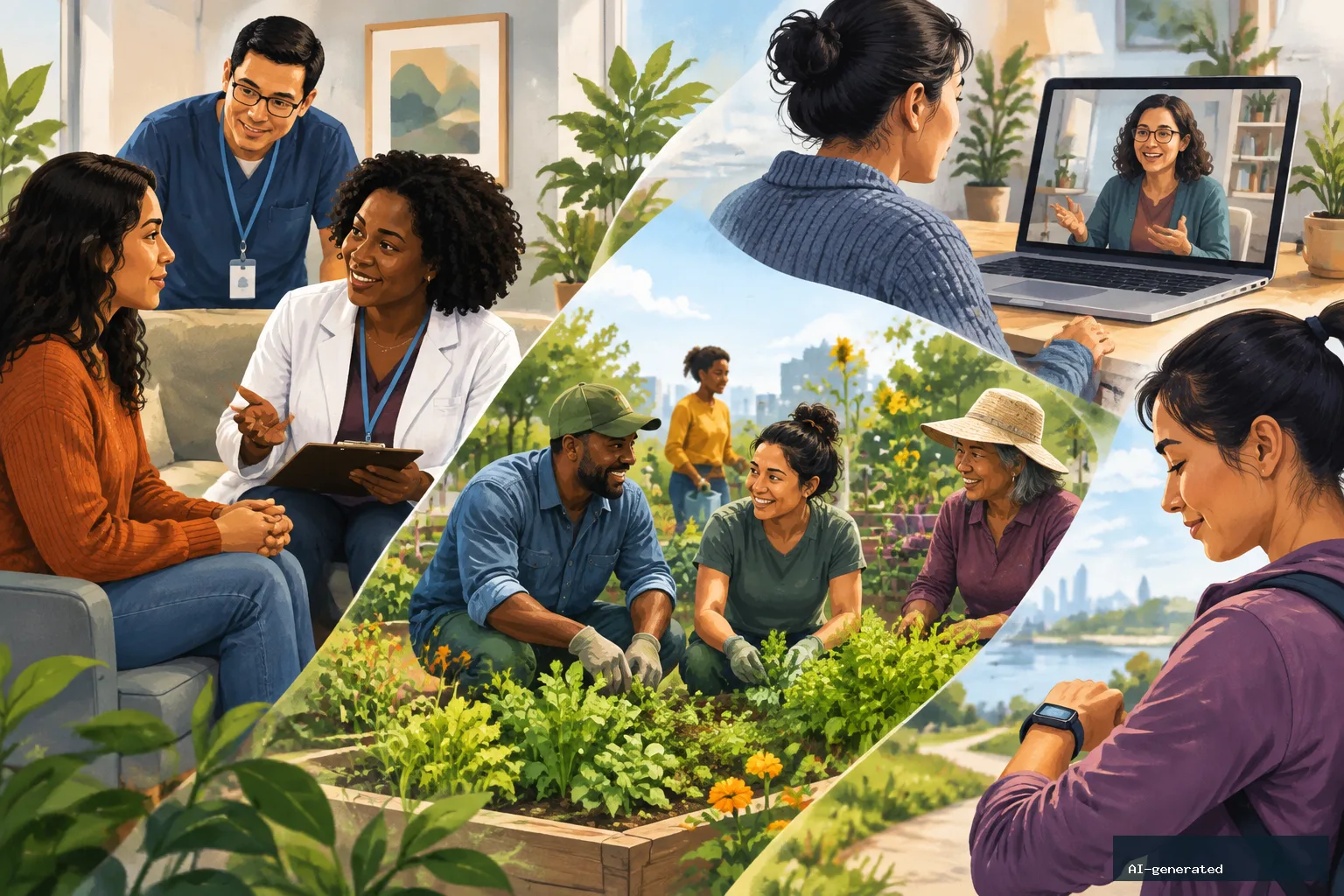
Mental health needs are growing faster than the supply of psychiatrists in many parts of the world. That gap is prompting a rethinking of who delivers care, where it happens and how technology can support—not simply replace—clinical expertise.
The emerging model is broader than traditional physician-centered care. It includes telehealth, nurse practitioners, physician assistants, board-certified psychiatric pharmacists, community programs and newer psychiatric interventions. The goal is not to make doctors irrelevant, but to expand access while matching people with the right level of support.
A workforce under pressure
A World Health Organization report has warned that healthcare workforce gaps are continuing to widen. In high-income countries, one in three physicians is nearing retirement age. More than half of practicing psychiatrists are over 55, while the available supply of psychiatrists continues to shrink relative to demand for psychiatric care.
The pipeline is constrained by limited residency places, lengthy training and few incentives to retain clinicians. In the United States, approximately 40% of the population lives in areas designated as having shortages of mental health professionals. Similar disparities affect rural and underserved communities globally.
Without changes to training and service delivery, psychiatrist supply may remain essentially stagnant or decline slightly over the coming decade even as demand continues to grow.
Technology can widen access, but not replace care
Telehealth became more widely used after mental healthcare delivered remotely was shown to be feasible. Nurse practitioners and physician assistants now make up the majority of telehealth providers and have become an important part of the mental healthcare workforce, particularly in areas with psychiatric shortages.
Remote care is not suitable for every situation. Severe psychiatric disorders and complex medical or mental health conditions may require the expertise of a psychiatrist. Digital tools can also reveal a shortage of qualified providers rather than solve it.
Smartphones and wearable sensors already collect physiological and behavioral information, while remote monitoring is commonplace and artificial intelligence increasingly assists with screening, diagnosis and treatment recommendations. Eric Topol has argued that these technologies could give people greater agency over their health data and reduce reliance on traditional physician-centered systems.
His use of the term “doctorless” healthcare was not intended to describe a world without doctors. It points instead to a possible future in which people, digital tools and a wider range of professionals play larger roles. A fully empowered patient, however, is not yet a reality.
Care beyond the clinic
Some approaches aim to strengthen mental wellbeing through community resources. Nature-based interventions and social prescribing—including community gardening and outdoor group activities—emphasize meaning, purpose, connection and flourishing.
These activities cannot replace clinical treatment. They may, however, help strengthen resilience, reduce isolation and create more opportunities for self-directed recovery. By mobilizing resources within communities, they can also build capacity beyond healthcare institutions.
New roles inside specialist care
Other proposals focus on making psychiatry itself more clinically expansive. Sauvè and colleagues argue that the specialty has increasingly narrowed into brief medication-management encounters, limiting its ability to respond to complex needs.
They propose interventional psychiatry, which brings psychiatric expertise together with treatments such as transcranial magnetic stimulation, ketamine treatment, electroconvulsive therapy, deep brain stimulation and psychedelic therapies. Expanded therapeutic tools and new training pathways may also help attract clinical trainees.
Jenkins and colleagues propose adding board-certified psychiatric pharmacists to multidisciplinary teams. Their training qualifies them to conduct comprehensive medication reviews and provide psychoeducation, particularly for people taking multiple medications or managing complex mental health conditions. The proposed role is intended to improve medication safety and address needs that may otherwise receive insufficient attention.
What a broader workforce could mean
- More entry points to care: Telehealth and community-based services may offer additional ways to connect with support, especially where psychiatrists are scarce.
- More specialized teamwork: Pharmacists, nurse practitioners and physician assistants can contribute distinct skills within multidisciplinary care.
- Clearer boundaries: Community programs and digital tools can complement treatment but cannot stand in for specialist care in every situation.
- A continued role for doctors: The changing model is about extending clinical capacity, not removing medical expertise.
The central challenge is not choosing between people and technology. It is building a mental healthcare system in which technology, specialist clinicians, other trained professionals and communities work together while preserving access to appropriate expertise.
AI tools were used to assist with the preparation of this article.
Leave a Reply