
⏱ 2 min read
Derek Owusu’s third novel, The Recovery House, places a young writer’s mental health crisis inside a spare, unsettling story about creativity, faith and recovery.
Its protagonist, Jamal, wakes in a recovery house after a breakdown. The setting is described as a residential alternative to hospital admission, but it is far from comforting: his room has a single bed with protruding springs, dead cockroaches sit in the nightstand and distressed residents move through restless corridors.
A writer confronting the source of his crisis
Jamal has published two books and won an award for his first. The pressure surrounding his third book has become unbearable, and he remembers that attempting to write it helped precipitate his breakdown.
He is initially more concerned with understanding how he arrived at the recovery house than with getting better. The novel says that Jamal has overdosed, is an alcoholic and has been diagnosed with borderline personality disorder. His central conflict is also artistic: “the thing that inspired me is the thing that’s trying to kill me”.
Through Jamal, the book examines the unstable boundaries between illness, inspiration, compulsion, self-examination and self-destruction. It also depicts his frustration with the publishing industry and the expectations attached to a successful writer’s next book.
Music, friendship and a temporary community
The novel begins with an unusual instruction: readers are asked to listen to the Cranberries’ “Zombie” at least two to four times before continuing. Released as a hit in 1994, the song is described as a protest song about the Troubles.
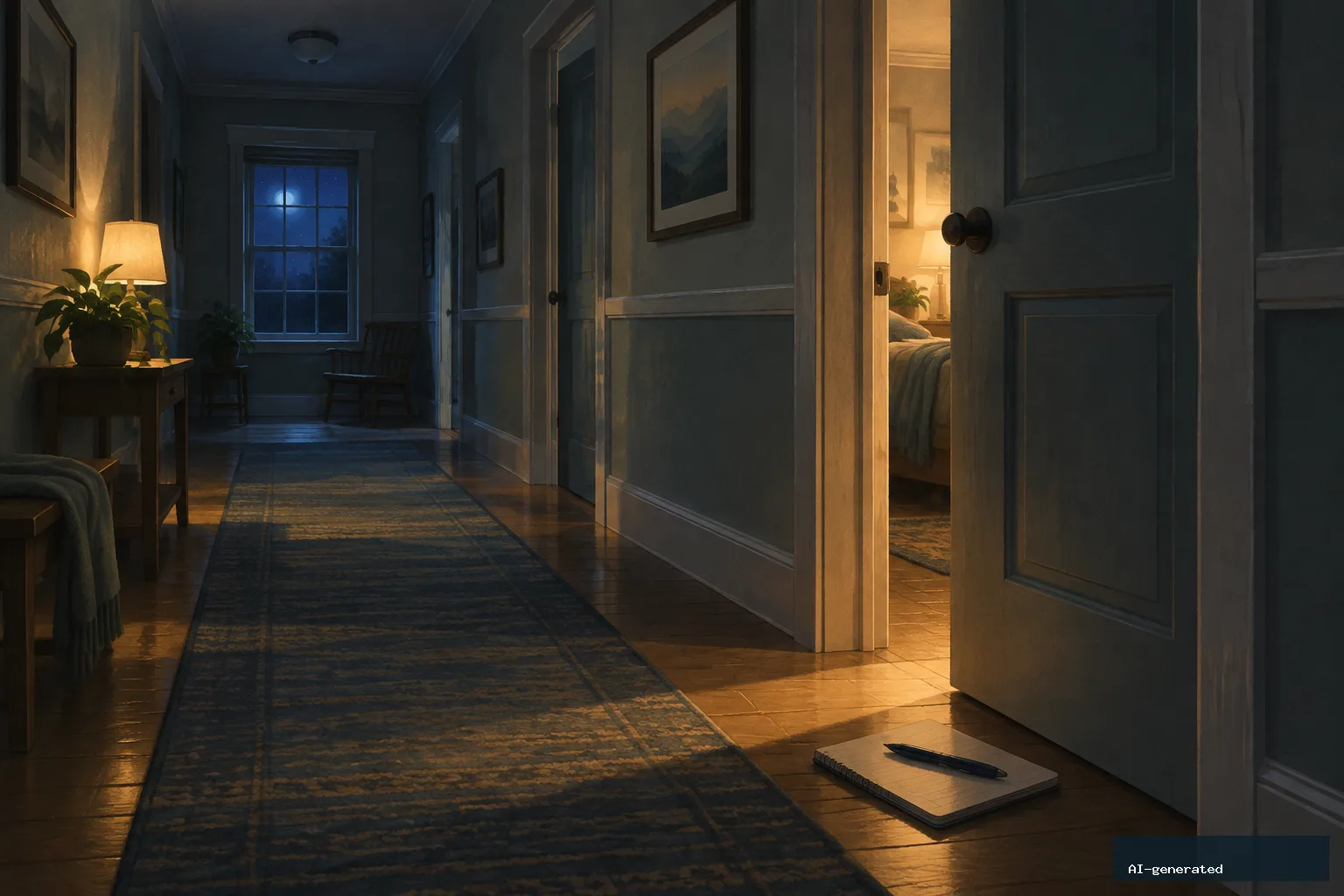
Joy, a woman staying in the room below Jamal, repeatedly sings its chorus at night. When nurses refuse to give Jamal a pen and paper because they fear what writing might provoke, Joy slips both beneath his door.
The exchange helps create a tender friendship between the two residents. They begin a weekly Bible study, and the recovery house gradually becomes a temporary community during Jamal’s convalescence. Nurses watch Jamal, while he watches them back, creating an atmosphere of mutual scrutiny rather than simple reassurance.
A compressed and distinctive form
At 160 pages, the novel is brief but formally unconventional. It uses long, free-flowing sentences, sparse punctuation and no conventional chapter markings. That structure gives the narrative a continuous, unsettled movement suited to Jamal’s state of mind.
Owusu spent a summer in a recovery house after a mental health crisis, and the novel’s setting carries the force of close experience. The result is an honest and affecting meditation on art, religion and mental health, focused less on easy resolution than on the fragile relationships and questions that can shape a period of recovery.
AI tools were used to assist with the preparation of this article.
Leave a Reply