
Drugs
-
 antidepressants, ANTLER trial, depression, depression relapse, Drugs, emotional processing, facial emotion recognition, GAD-7, maintenance treatment, PHQ-9, placebo substitution, Psychiatry, Psychology, ssris
Antidepressants Did Not Shift Facial Emotion Recognition in Depression
A 2026 ANTLER mechanistic analysis found no evidence that maintaining antidepressants preserved…
-
 antipsychotics, BPRS, Drugs, hypoglycemia, lithium, mood stabilizer augmentation, pancytopenia, psychopharmacology, schizophrenia, treatment-resistant schizophrenia, valproate
Lithium vs. Valproate in Residual Schizophrenia: Case Safety Signal
A 2026 case report described valproate 800 mg/day improving agitation in residual-phase…
-
 Anxiety, avoidance behavior, caffeine, Drugs, interoception, panic attack, panic disorder, Psychiatry, randomized crossover trial, skin conductance
150 mg Caffeine Did Not Trigger Panic in Panic Disorder Trial
A randomized crossover trial found that 150 mg caffeine did not increase…
-
 acute ischemic stroke, Brain, Drugs, dulaglutide, exenatide, GLP-1 receptor agonists, liraglutide, neuroprotection, neuroscience, semaglutide, stroke
GLP-1 Stroke Review Finds Prevention Signal, No Acute Neuroprotection Proof
A 2026 review concluded that GLP-1 receptor agonists have plausible stroke biology…
-
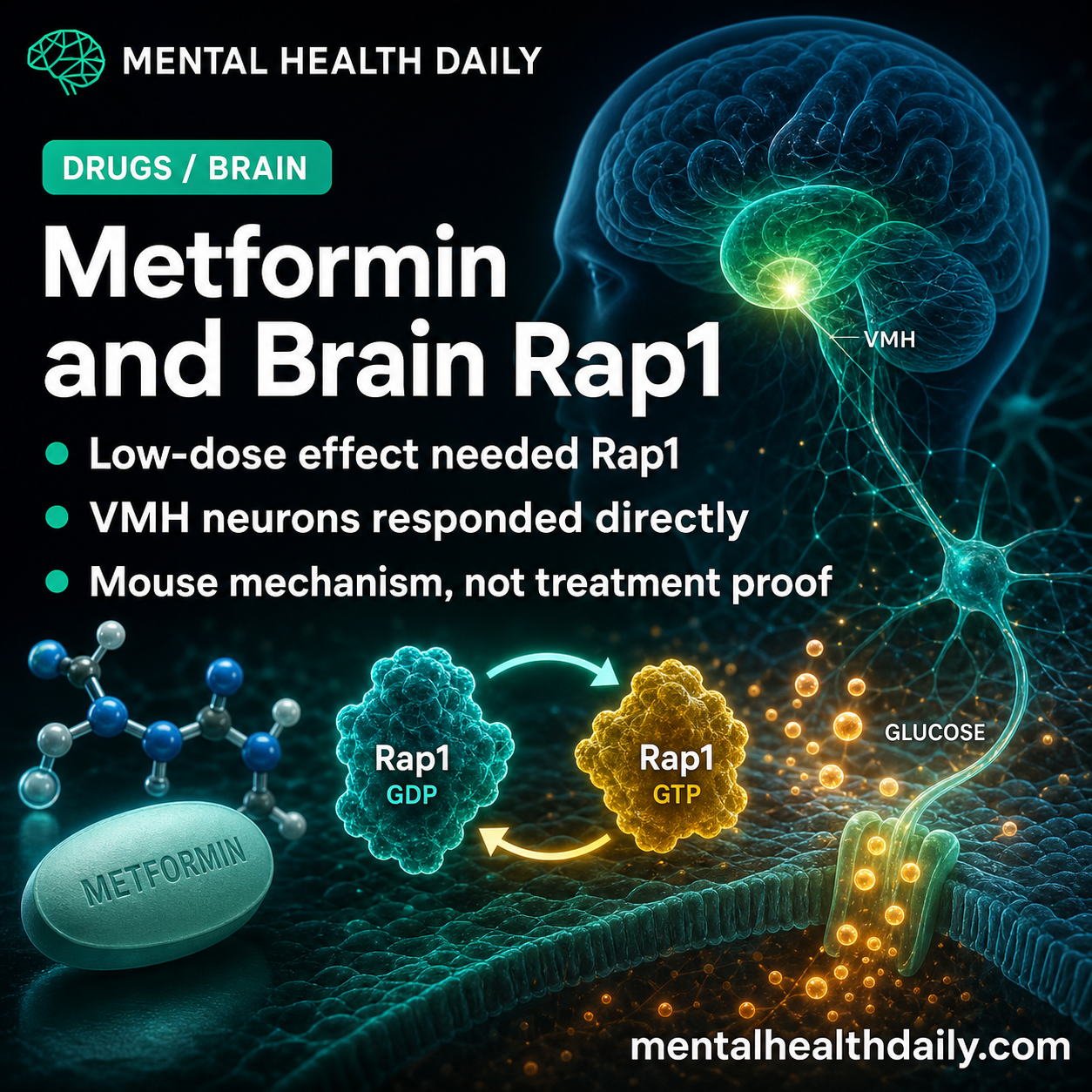 ampk, Brain, brain metabolism, Brain Rap1, Diabetes, Drugs, glucose control, hypothalamus, metformin, mouse study, neuroscience, Rap1, SF1 neurons, ventromedial hypothalamus, VMH
Metformin’s Brain Rap1 Pathway Controlled Glucose in Mouse Study
A 2025 Science Advances mouse study found a more brain-dependent metformin mechanism…
-
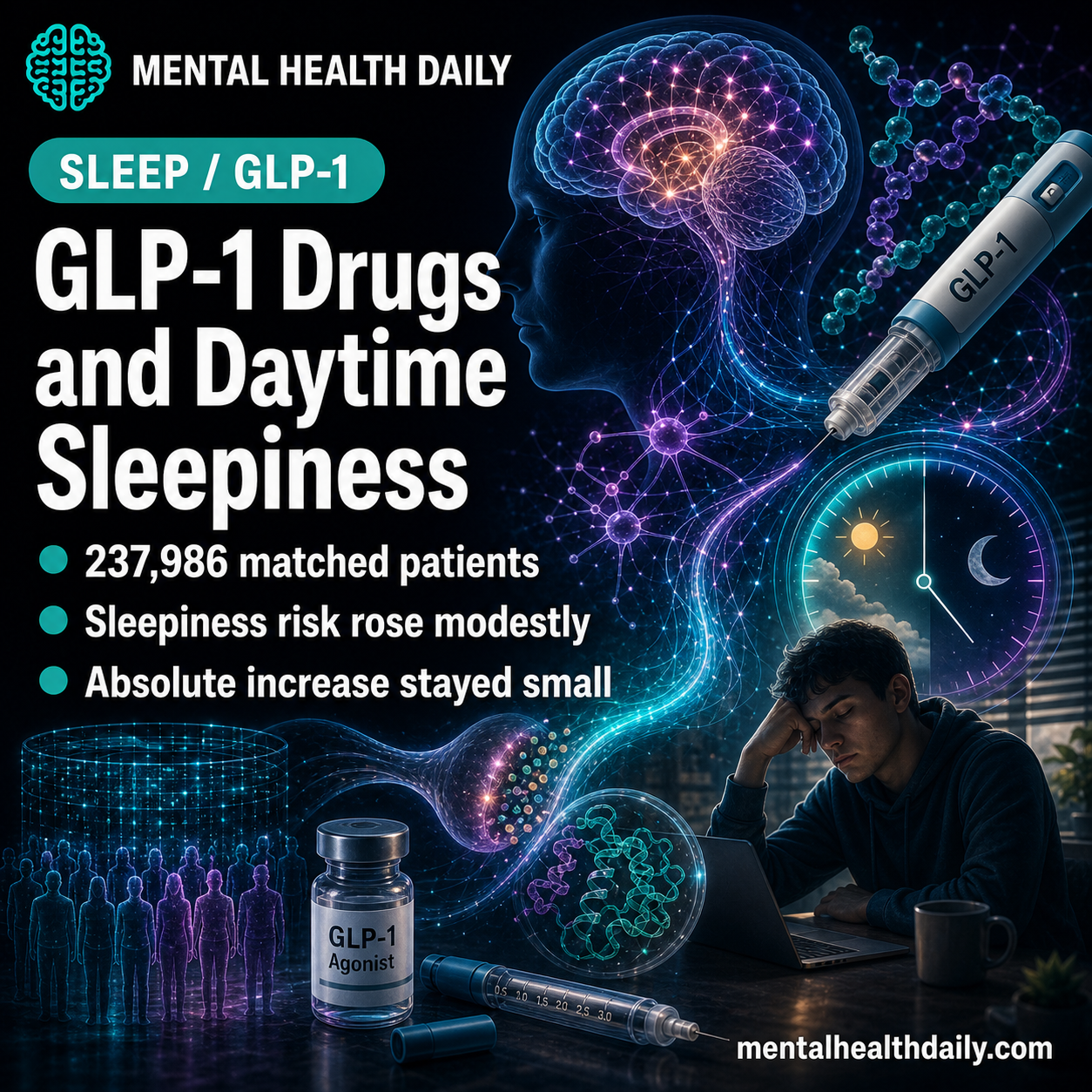 daytime sleepiness, Drugs, GLP-1, hypersomnolence, iron deficiency, liraglutide, orexin, Ozempic, real-world cohort, semaglutide, side effects, sleep, tirzepatide, TriNetX, Wegovy
GLP-1 Drugs Linked to 21% Higher Daytime Sleepiness Risk
GLP-1 receptor agonists (semaglutide, liraglutide, tirzepatide) act on the brain as well…
-
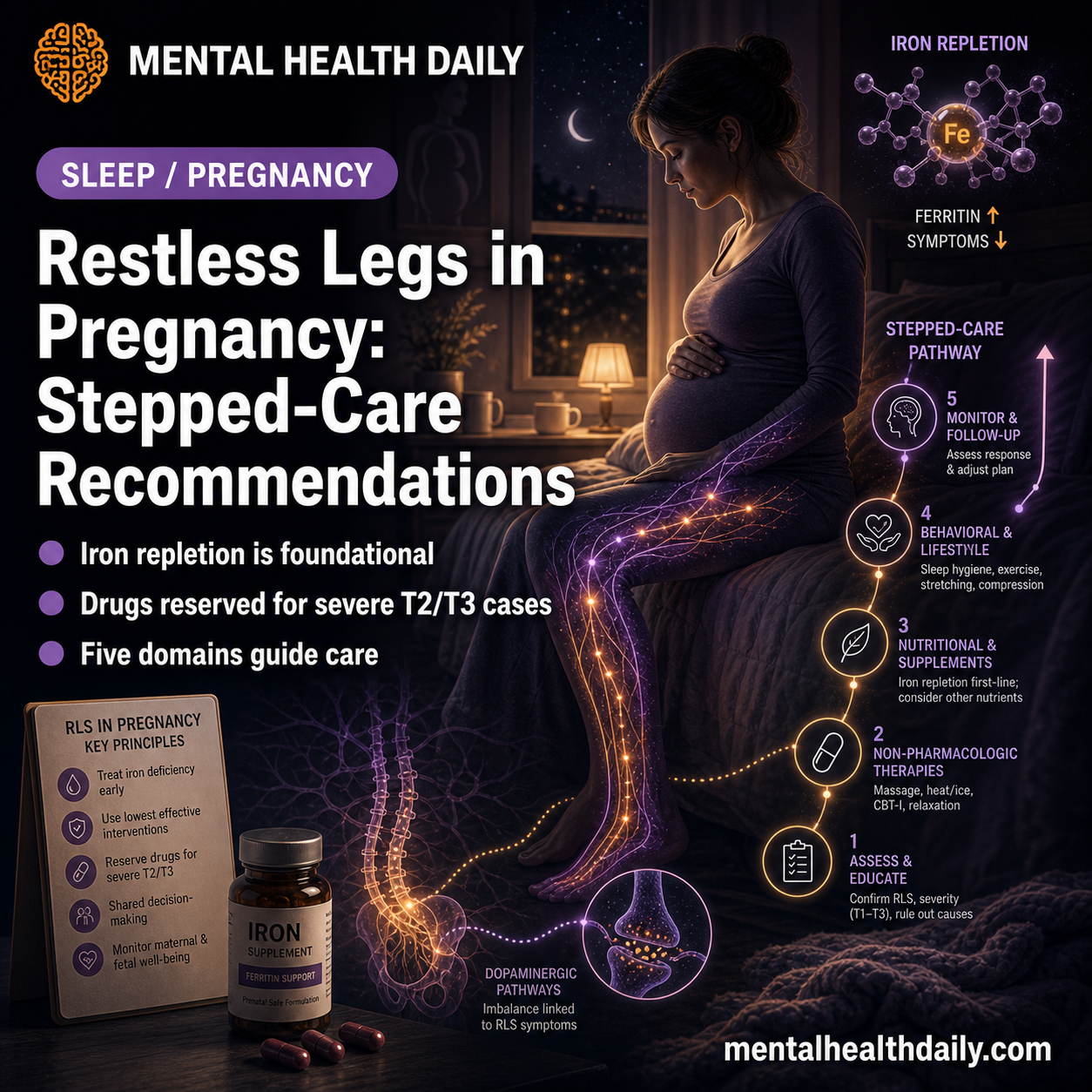 clinical guidelines, Drugs, evidence synthesis, Hormones, iron deficiency, obstetric care, perinatal depression, pregnancy, restless legs syndrome, sleep, sleep disorders, stepped care, Willis-Ekbom disease
Restless Legs in Pregnancy: Stepped-Care Recommendations
Restless legs syndrome (RLS), now also called Willis-Ekbom disease (WED), is a…
-
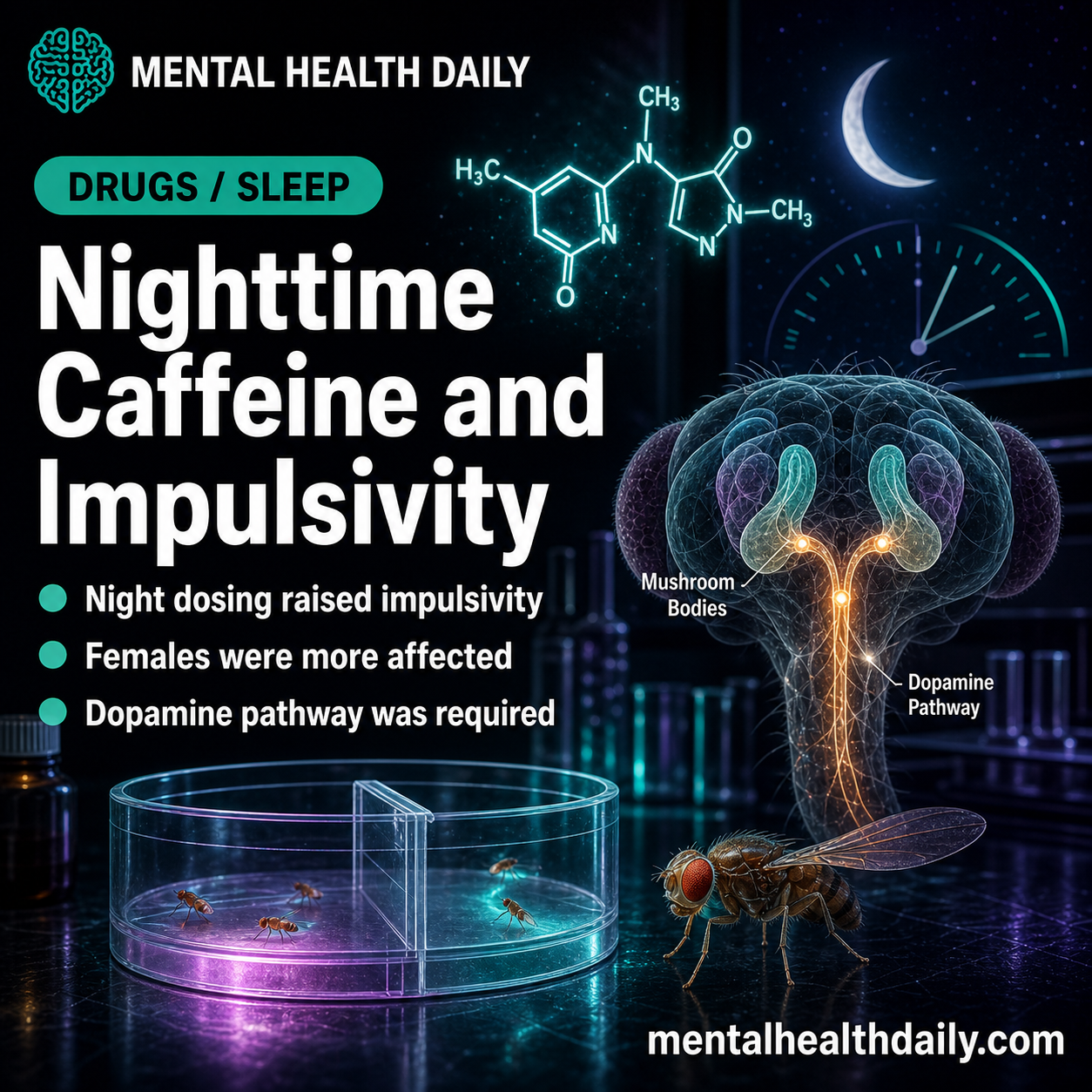 caffeine, circadian rhythm, dopamine, Drosophila, Drugs, impulsivity, inhibitory control, motor behavior, mushroom body, neuroscience, nighttime caffeine, shift work, sleep
Nighttime Caffeine Increased Impulsivity Through Dopamine in Fly Study
A 2025 iScience study found that nighttime caffeine increased motor impulsivity in…
-
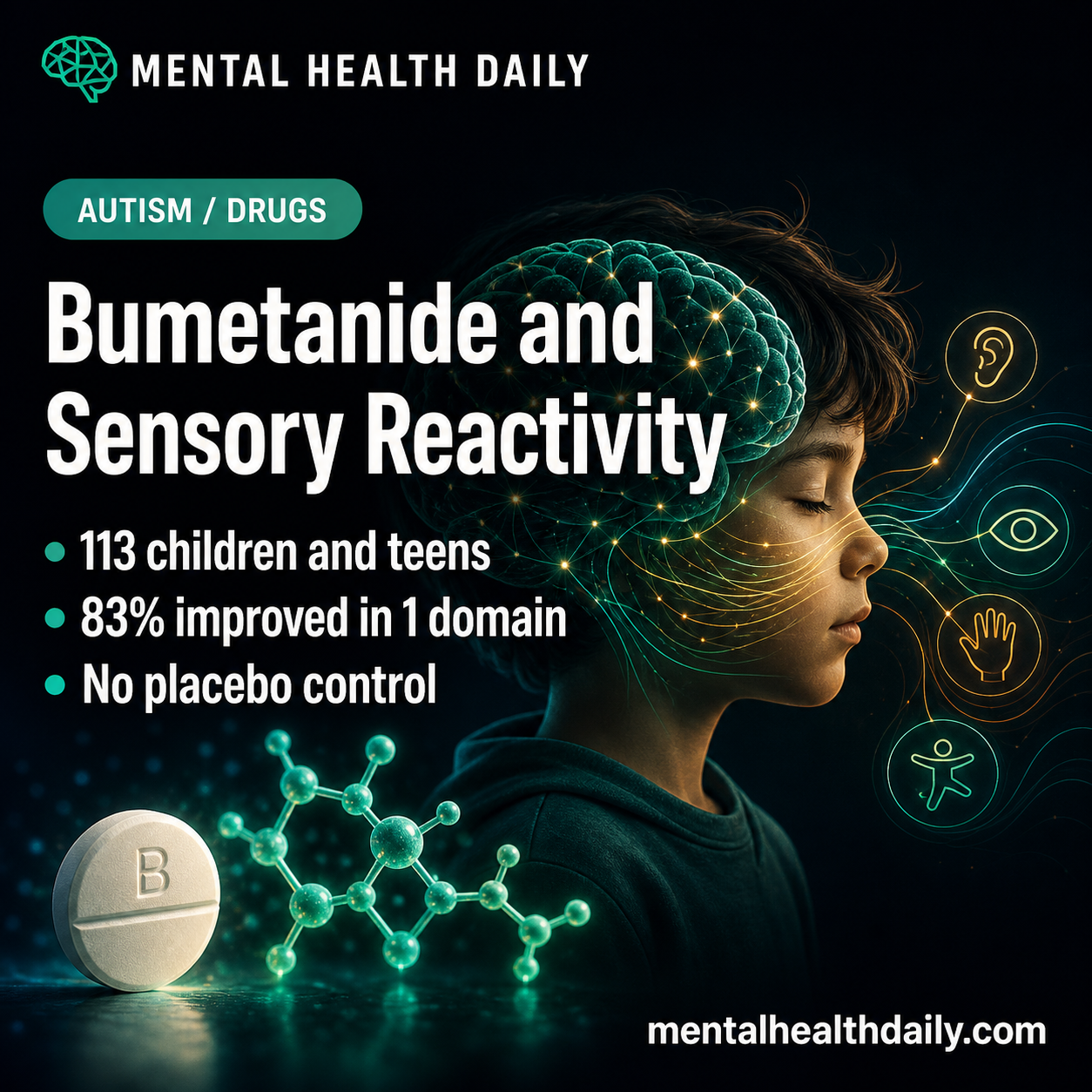 ADHD, Autism, bumetanide, Drugs, epilepsy, neurodevelopmental disorders, PROMIS, PROMset, Psychiatry, sensory reactivity, single-case experimental design, tuberous sclerosis complex
Bumetanide PROMset Study: 83% Improved in 1 Sensory-Related Domain
A 2026 medRxiv preprint using parent-cocreated sensory-related outcome measures found that 83%…
-
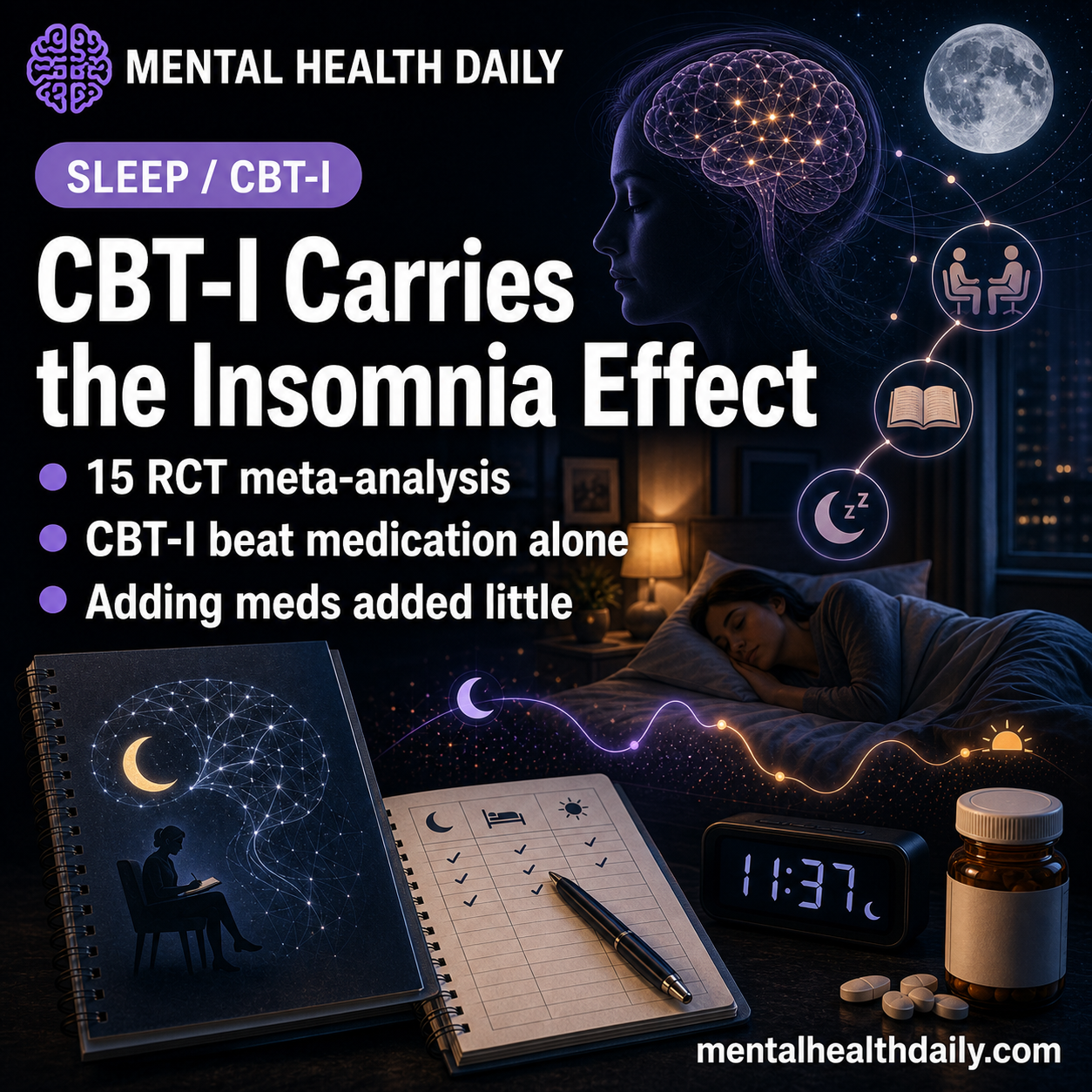 AASM, CBT-I, chronic insomnia, Drugs, GRADE, Insomnia Severity Index, meta-analysis, Psychiatry, sleep, sleep efficiency, sleep medication, temazepam, therapy, trazodone, zolpidem
CBT-I Outperformed Added Sleep Medication in 15 RCTs
Patients with chronic insomnia frequently end up on both a sleep medication…
